Rising nearly 200 meters from the central plains, Sigiriya (The Lion Rock) is Sri Lanka’s most iconic historical landmark and a UNESCO World Heritage Site. Combining mind-boggling ancient engineering, sophisticated urban planning, and dramatic history, it is often referred...See more
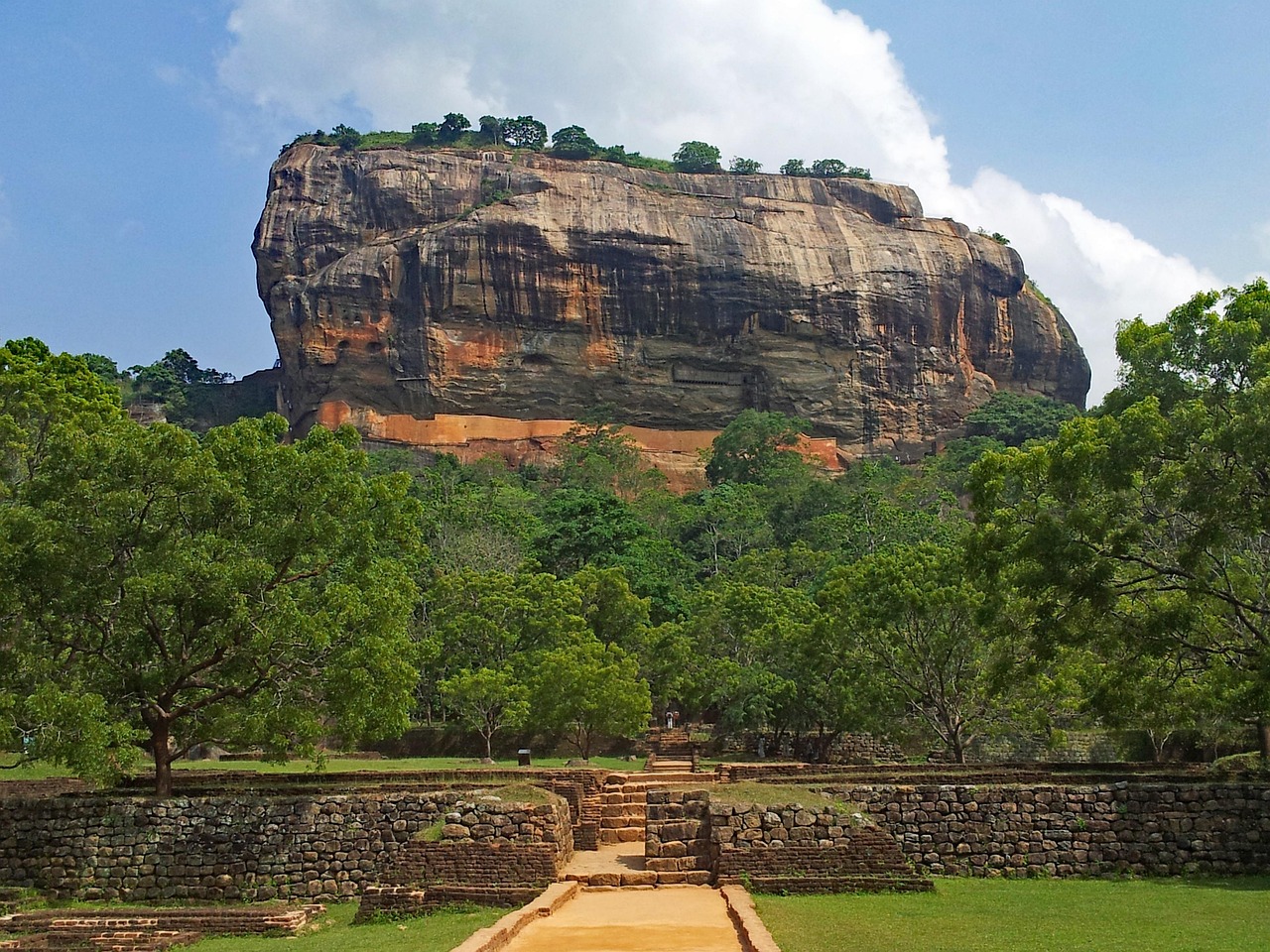
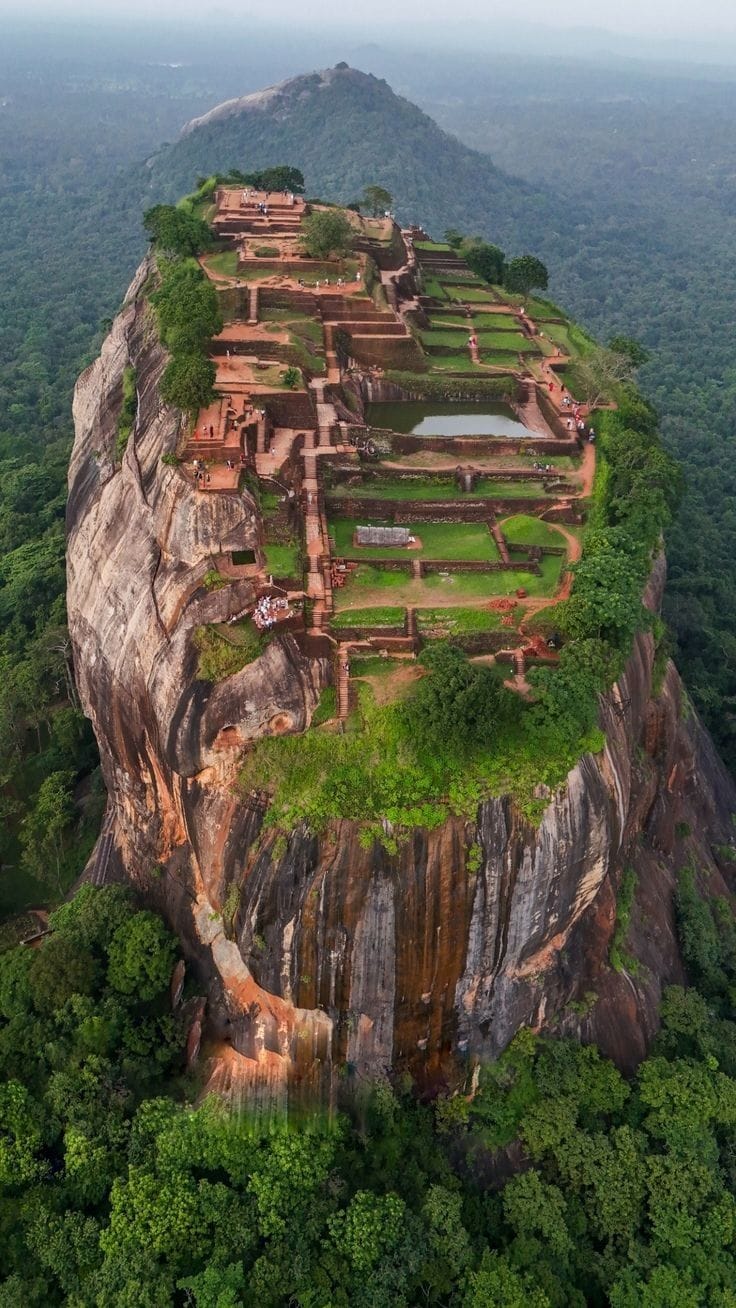
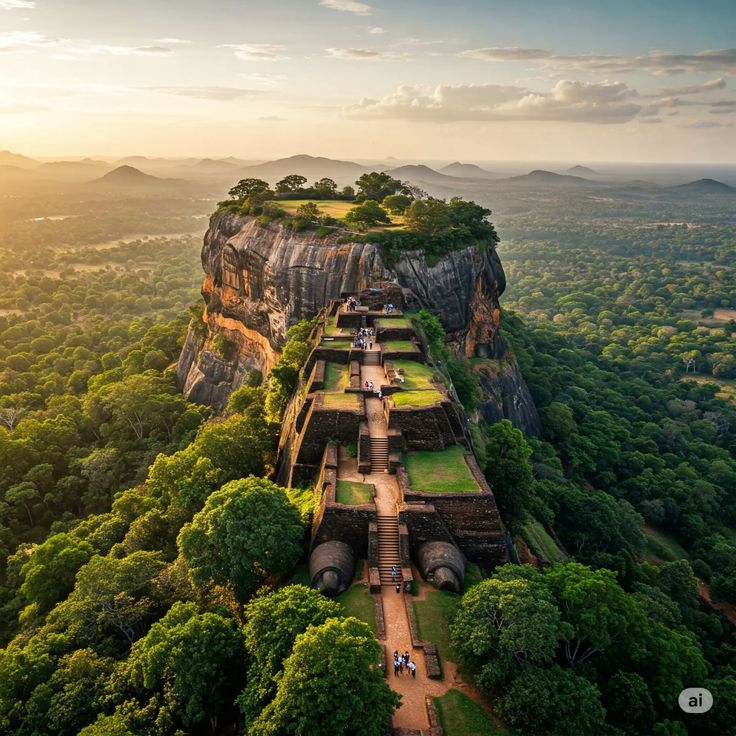
Rising nearly 200 meters from the central plains, Sigiriya (The Lion Rock) is Sri Lanka’s most iconic historical landmark and a UNESCO World Heritage Site. Combining mind-boggling ancient engineering, sophisticated urban planning, and dramatic history, it is often referred to by locals as the “Eighth Wonder of the World.”
The Story Behind the Rock
Sigiriya’s dramatic history dates back to the 5th century AD. It was built by King Kashyapa (477–495 AD), who seized the throne from his father after murdering him. Fearing retaliation from his brother, the rightful heir, Kashyapa moved the capital from Anuradhapura to the secure, isolated rock of Sigiriya. He transformed a massive volcanic plug into an impregnable fortress and a luxurious sky palace. After his defeat in battle, the site was abandoned as a palace and functioned as a Buddhist monastery until the 14th century.
Key Features to Highlight
A standard visit to Sigiriya guides travelers through several distinct, world-class architectural zones:
The Royal Gardens: Located at the base, these are among the oldest landscaped gardens in the world. They feature a highly advanced hydraulic system with symmetric water gardens, fountains (which still work during the rainy season), boulder gardens, and terraced gardens.
The Mirror Wall: Originally a brick wall coated with a highly polished plaster made from lime, egg white, and wild honey. It was so reflective that the king could see his image in it. Today, it features ancient graffiti left by visitors from the 6th to 14th centuries, expressing poems and impressions of the rock.
The Sigiriya Frescoes: Protected in a sheltered rock pocket are the vibrant, hand-painted frescoes of the “Sigiriya Damsels.” These beautiful, detailed paintings of elegant women have retained their striking colors for over 1,500 years.
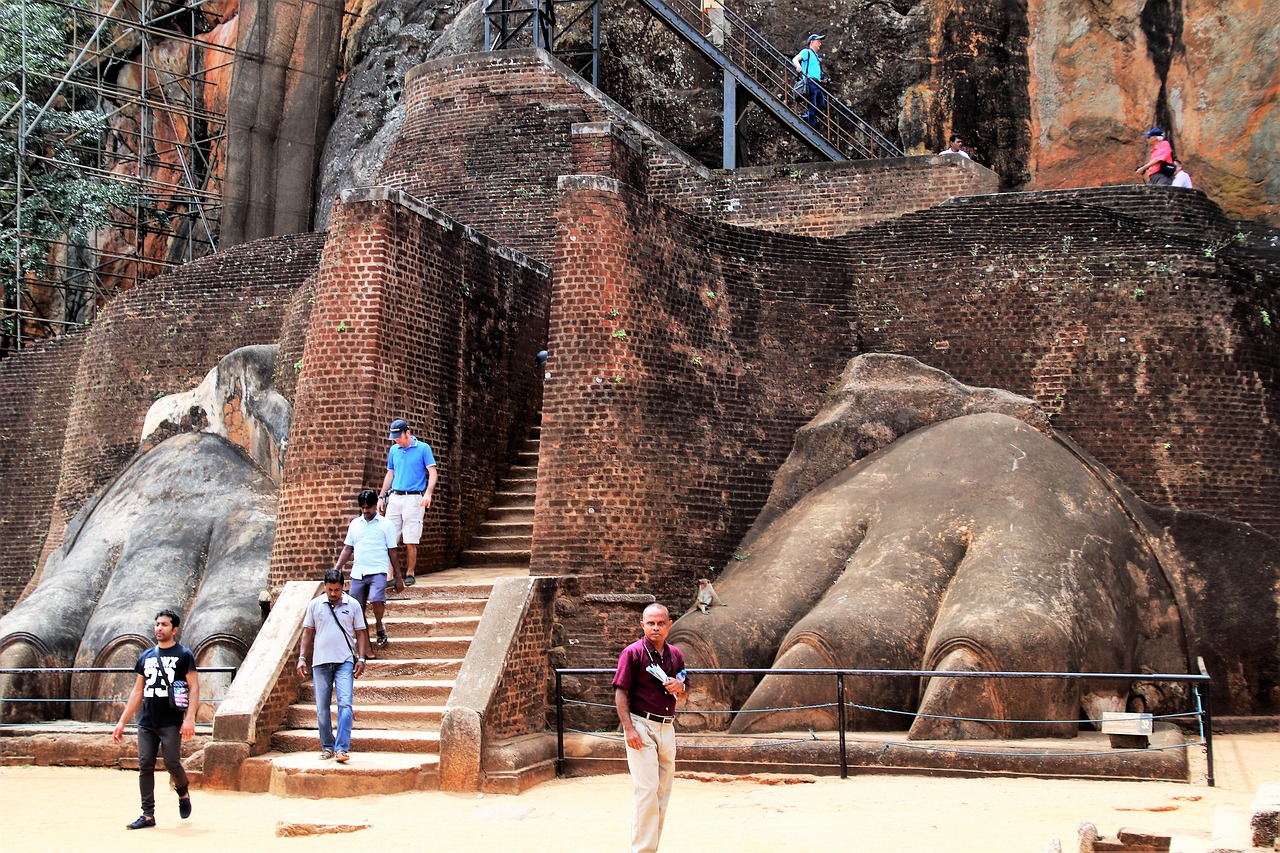
The Lion’s Paw Entrance: Halfway up the climb sits the northern gateway. Travelers walk between two massive, intricately carved stone lion paws. Originally, a giant brick lion stood guard here, and visitors had to climb up through the lion’s open mouth to reach the summit.
The Summit Palace: Covering nearly 1.5 hectares on the flat top of the rock, this area contains the ruins of the royal palace, cut-stone swimming pools, and thrones, offering breathtaking 360-degree views of the surrounding forests and lakes
Duration
8 Hours
Group Size
8
Language
ENGLISH

Highlights
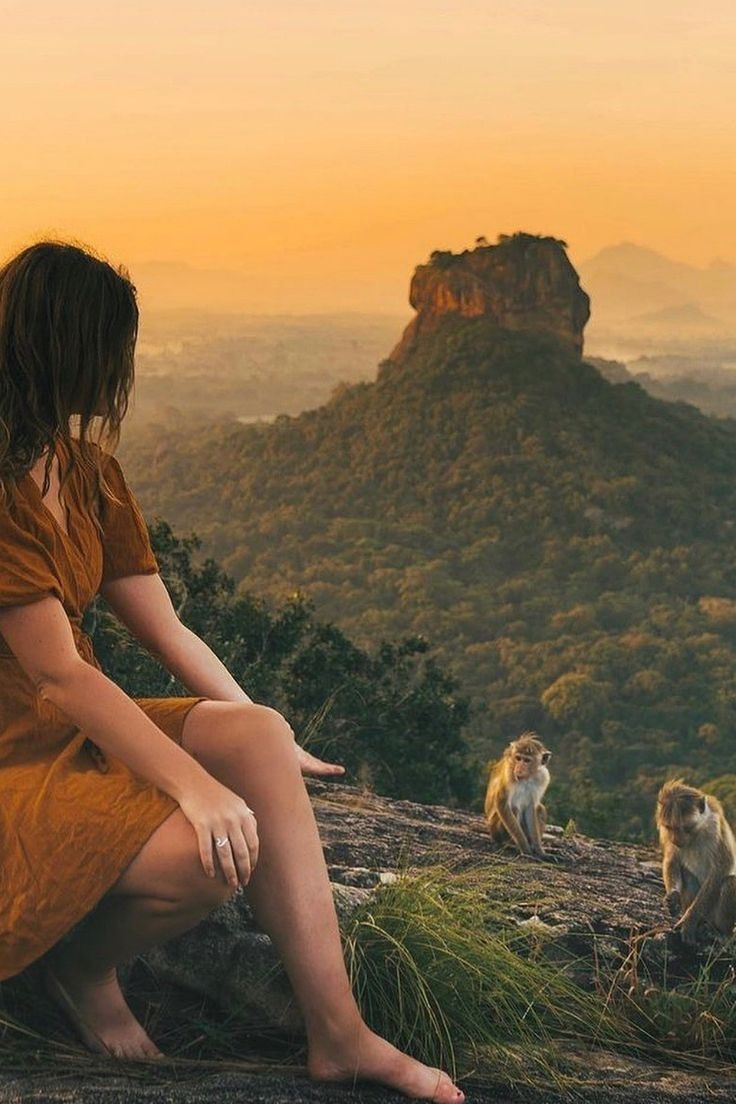
- immerse the Ancient majesty of the Sigiriya.Hike Rock Pidurangala for Epic Views
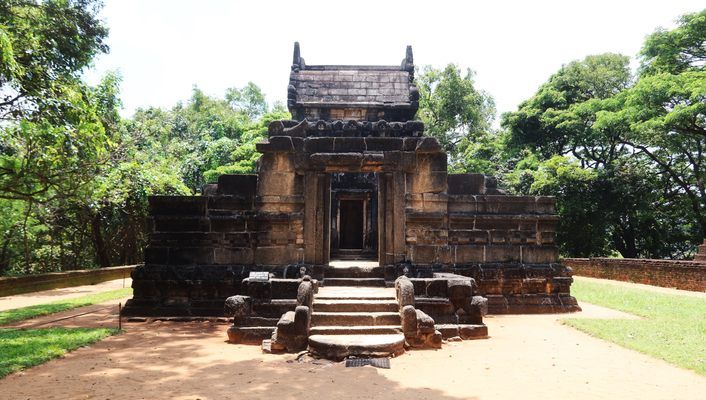
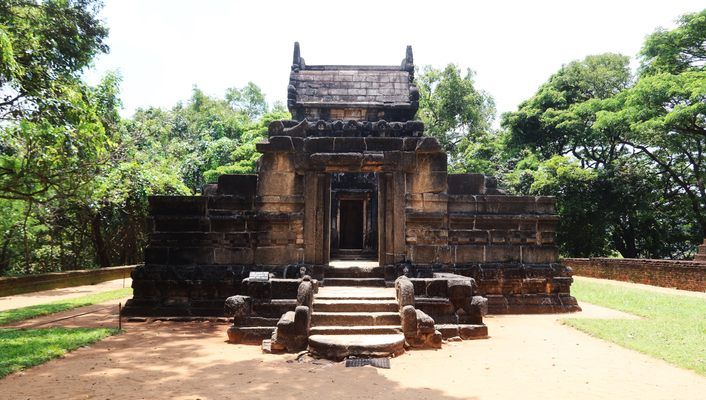
- Discover the Unique Blend of Hindu and Buddhist art at Nalanda Gedige
- Explore a lush Herbal Garden and Learn the Secrets of Ancient Wellness
- Withness Traditional Woodcarving & gem-cutting in Local Master Workshop
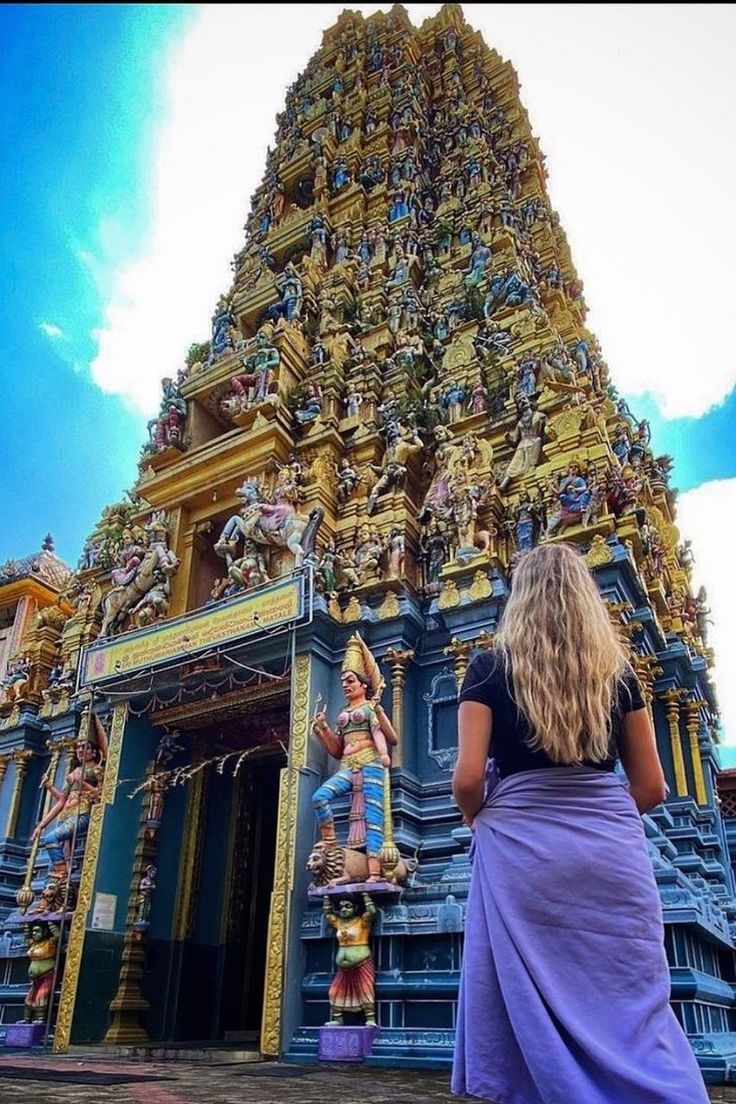
- Cultural Colours: Marvel at the 1000 Intricate Statues of the Matale Hindu Kovil
Include/Exclude
- Fuel Chargers
- driver chargers
- Meal Drinks
- Gratitude
- Entry ticket (optional)
Travel Itinerary
8.30 am
Arulmigu Sri Muthumari Amman Hindu temple in Matale
9.30 am
10.30 am
Dambulla Cave Temple
Frequently Asked Questions
Because all the site are deeply sacred active places of worship, a strict conservative dress code applies. Both men and women must wear clothing that completely covers their shoulders and knees. Tight sportswear, sleeveless tops, and short shorts are not permitted.
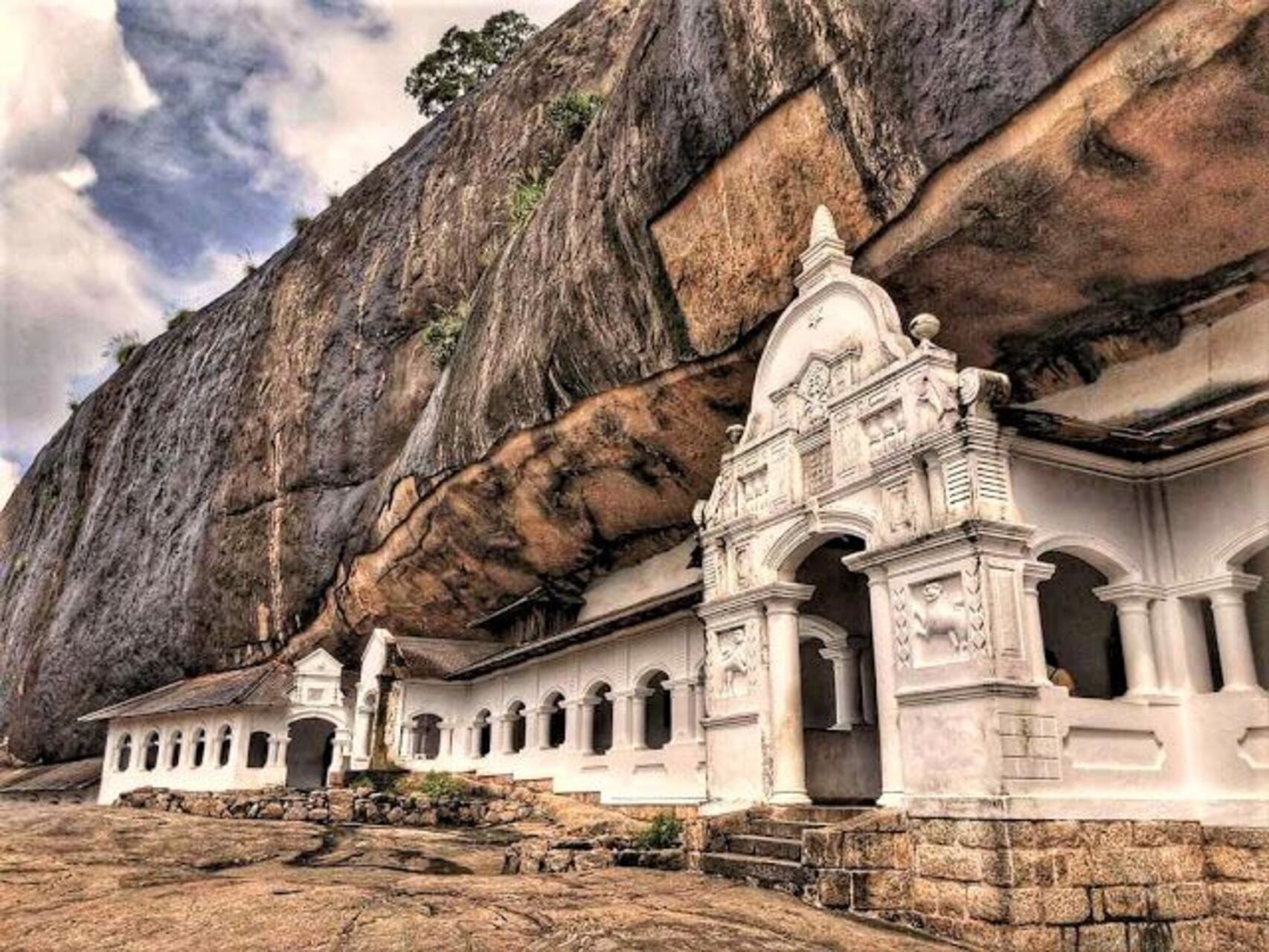
Yes, removing footwear is a requirement before entering the inner sacred grounds of Hindu and Buddhist temples in Sri Lanka. At the Dambulla Cave Temple, you will leave your shoes at the secure storage counter before entering the mountain terrace.
- Insider Tip: The stone courtyard at Dambulla can get incredibly hot under the midday sun. We highly recommend bringing a clean pair of thick socks to wear while walking on the stone platform to protect your feet from the heat.
Absolutely. This tour offers a fantastic mix of history, vibrant colors, and open spaces that keep travelers of all ages engaged. Nalanda Gedige and the Matale Hindu Temple require very little walking and are completely flat. The only moderate physical activity is the staircase climb at Dambulla, which can easily be taken at a slow, comfortable pace
This tour is spectacular year-round! However, the dry season from January to May offers the most pleasant, sunny weather for outdoor exploring. Because Dambulla’s main attractions are located completely inside massive stone caverns, the highlight of your day is fully sheltered and enjoyable even if you catch a passing tropical shower